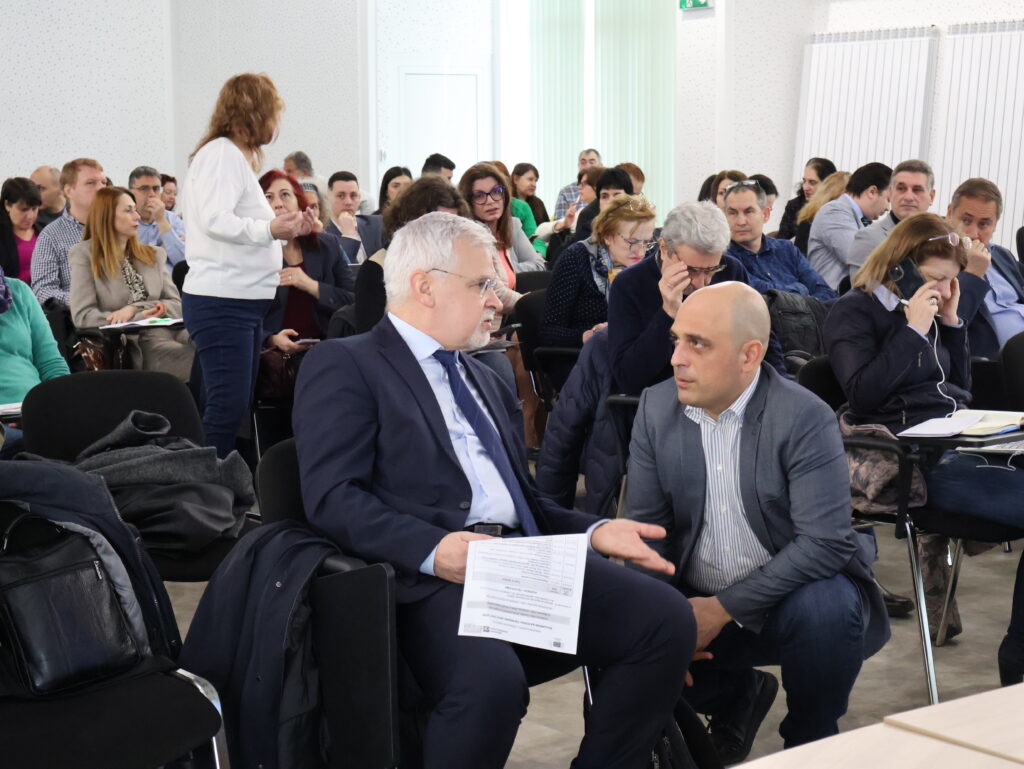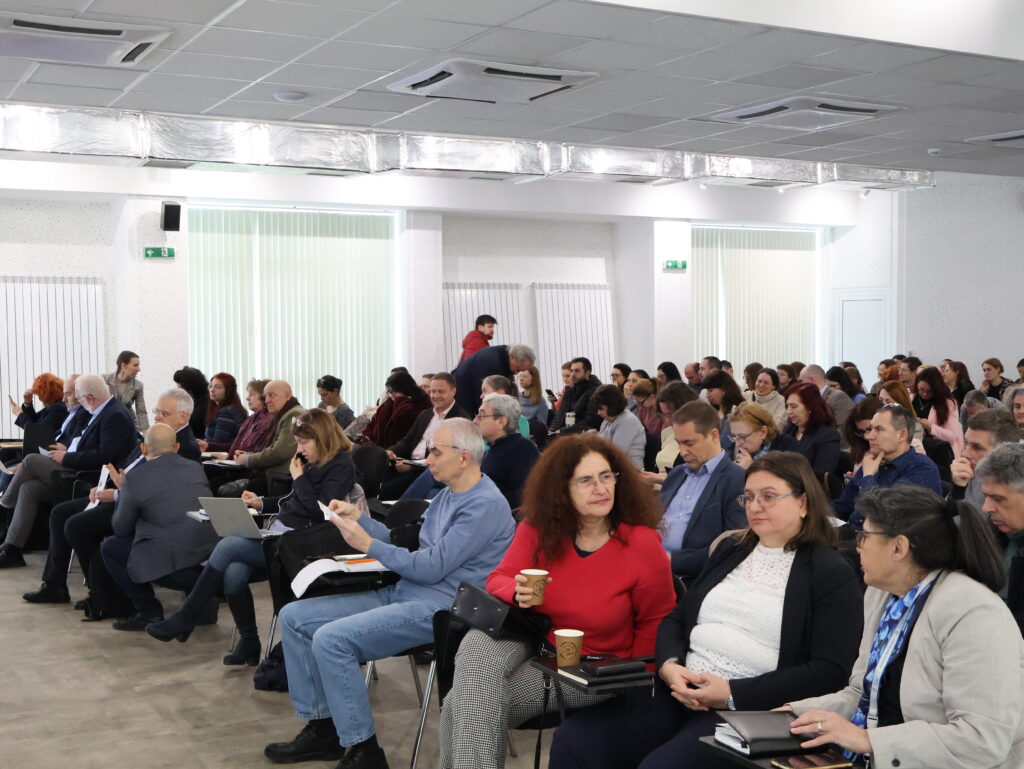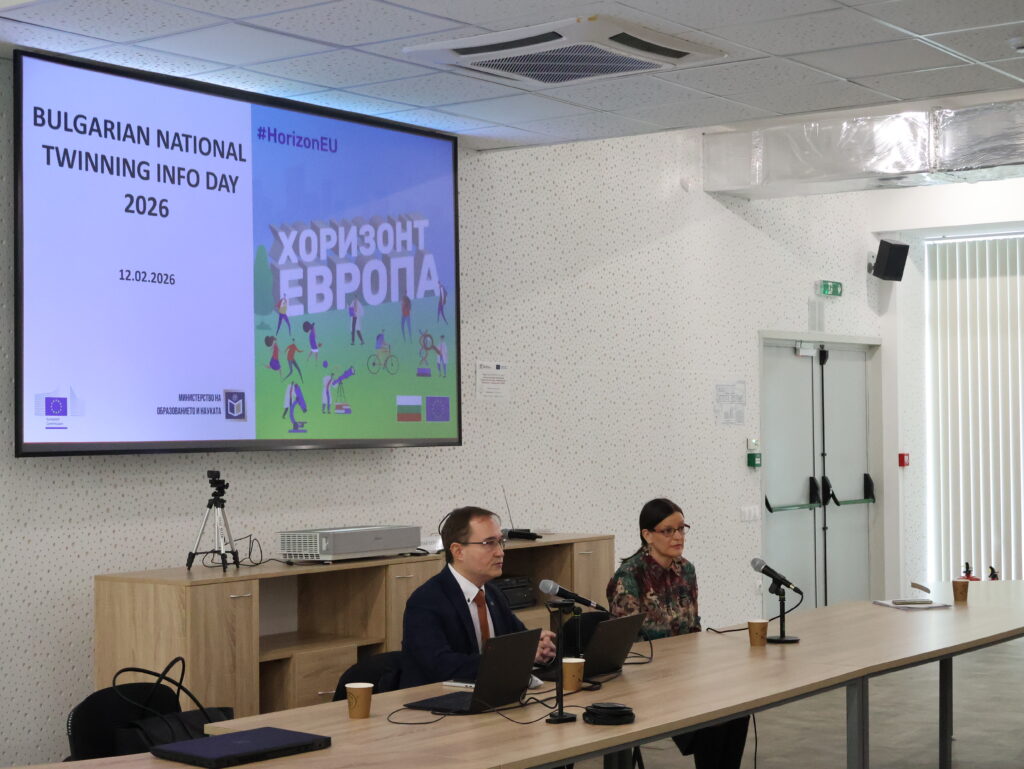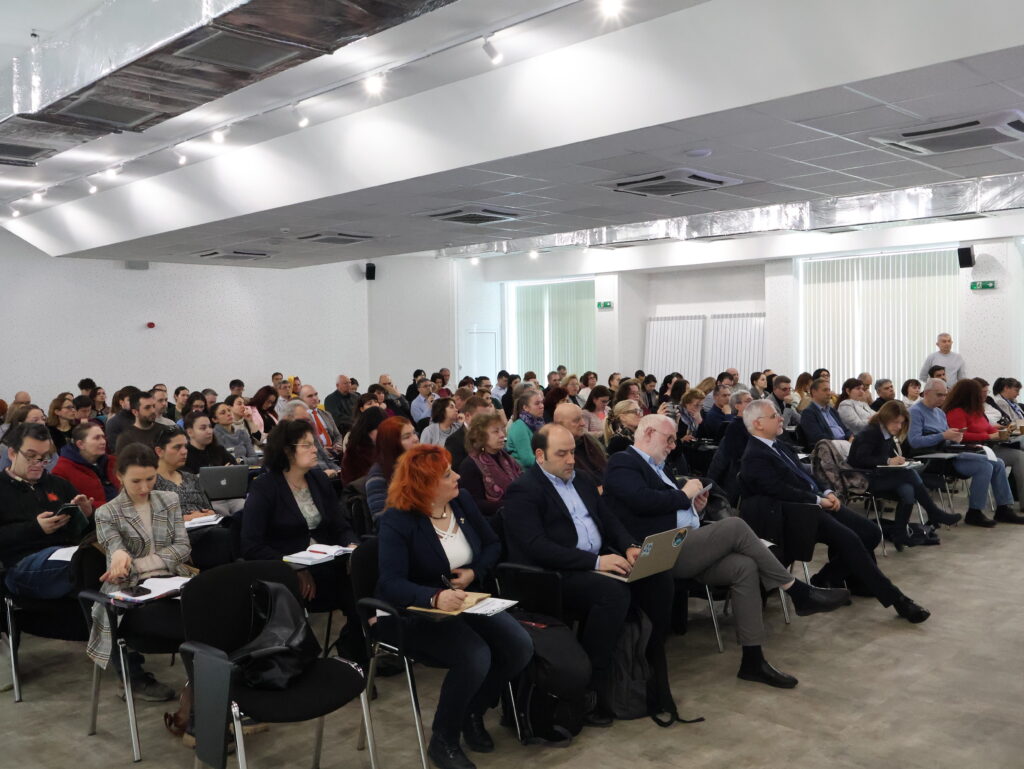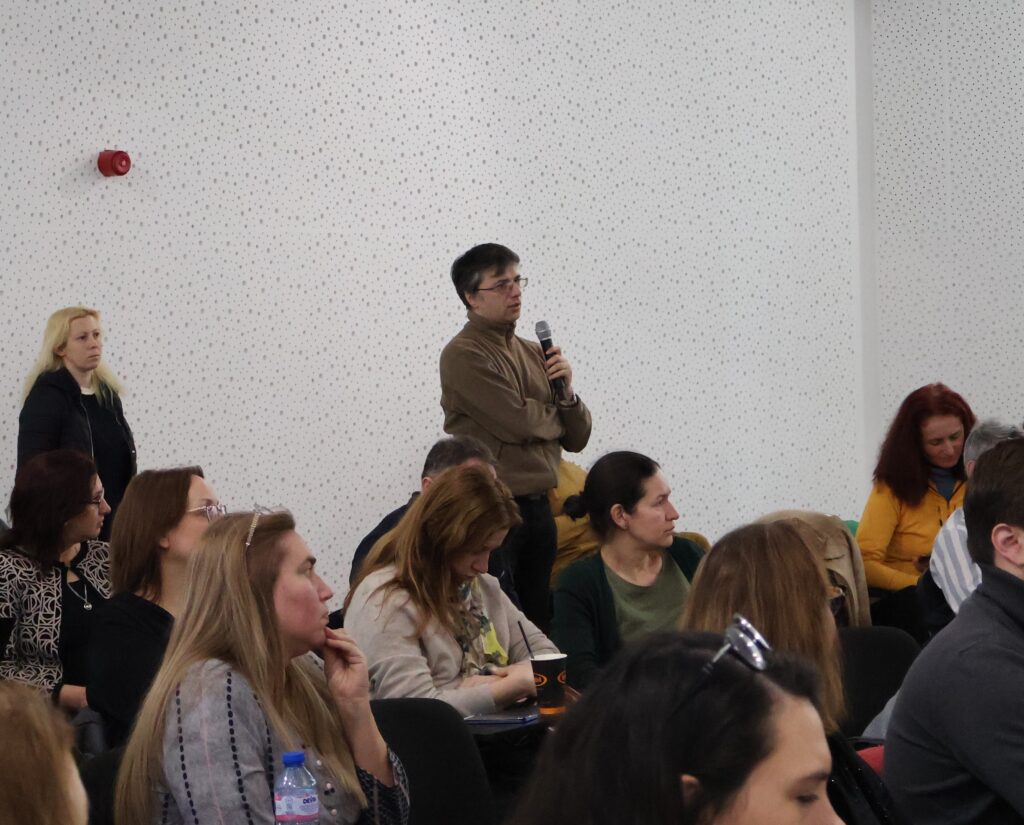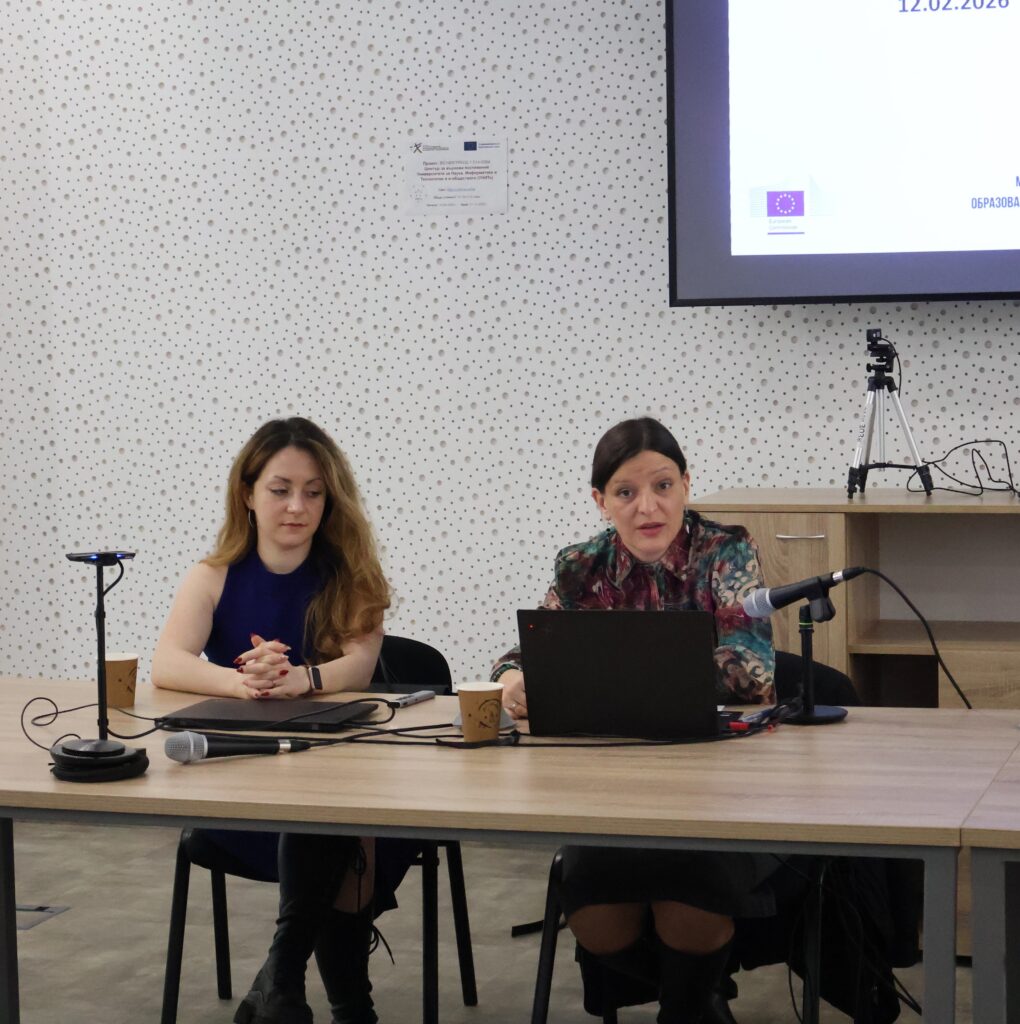


On February 12, 2026, a National Information Day on the Twinning competition under the Horizon Europe program was held at the Center of Excellence UNITe building. The Ministry of Education and Science, in its role as national coordinator of the program, organized the event to present and explain the terms and conditions of the competition, published on January 8, 2026.
Experts on European programs, representatives of universities, and other educational institutions participated in the information day. The programme focused on the opportunities offered by the Twinning instrument, as a specific measure for widening participation, to promote and develop the scientific and innovation potential of Bulgarian research institutions by building long-term partnerships with leading European organisations.
During the event, participants got practical tips on how to prepare competitive project proposals and learned about examples of successful initiatives. An overview of previous Twinning competitions was also provided, along with a review of key specifics and innovations in the evaluation process.
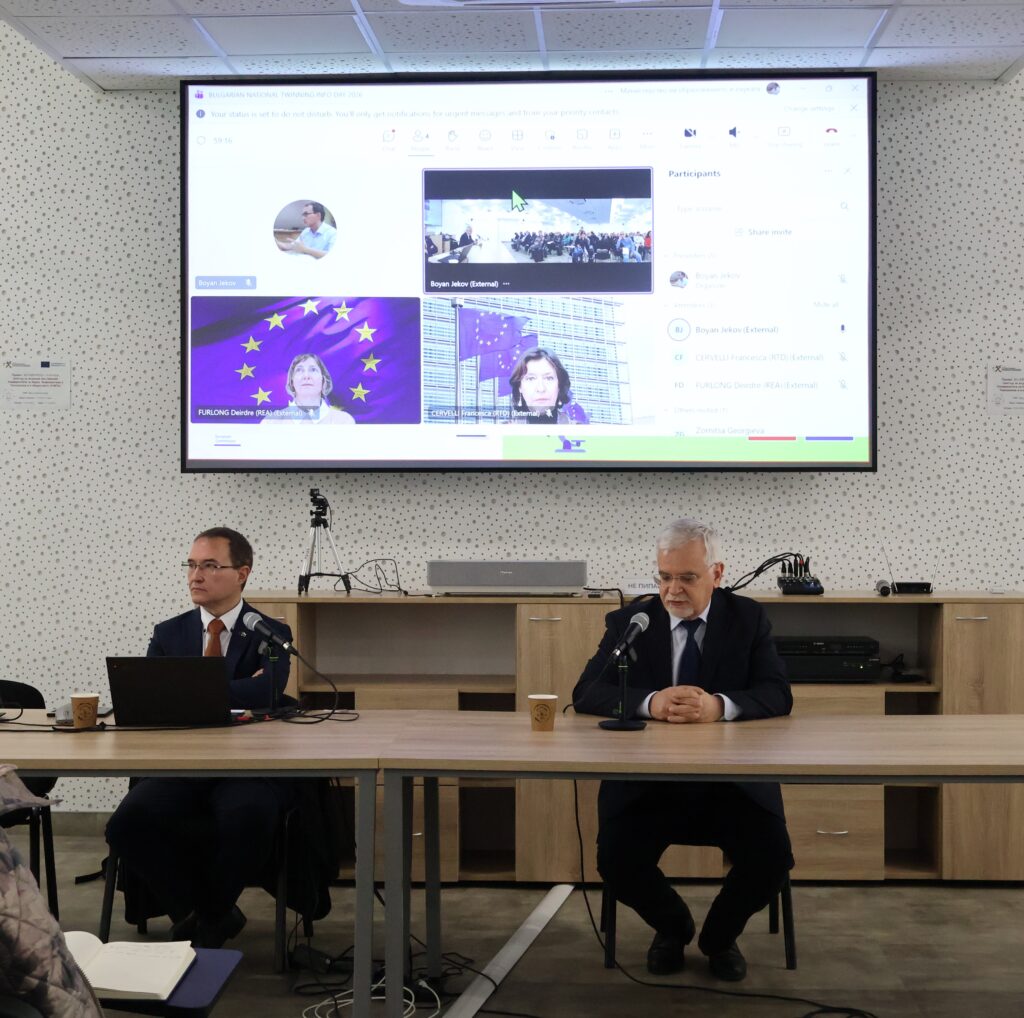
The event opened with a welcome address and introduction by Acad. Nikolay Vitanov, Deputy Minister of Education and Science, and Assoc. Prof. Boyan Jekov, National Coordinator of Horizon Europe.
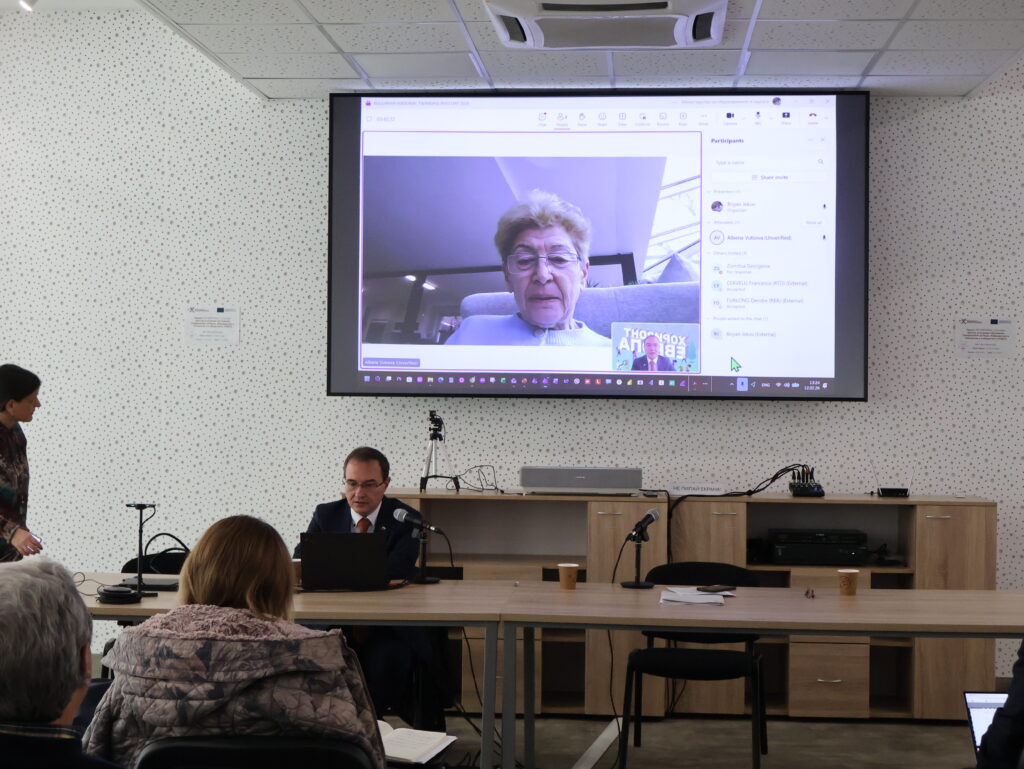
The main features of the Twinning call, as well as the new developments in the evaluation procedure, were presented online in English by Francesca Cervelli, Policy Officer at the Directorate-General for Research and Innovation (DG RTD) and Deirdre Furlong, Head of Sector at the European Research Executive Agency (REA) of the European Commission.
The total budget for the HORIZON-WIDERA-2026-02 call is €264.5 million, with €223 million earmarked for Twinning. These funds for 2026 confirm the European Commission’s increased focus on reducing research and innovation differences between EU member states, as well as stimulating and encouraging partnerships.
Zornitsa Hadzhidimitrova-Georgieva, state expert at the Science Directorate of the Ministry of Education and Science and national contact person for Widening & ERA, presented Bulgaria’s experience and the results of its participation in the Twinning initiative. Bulgaria’s participation in dozens of projects under Horizon Europe and Horizon 2020 was reported, including those with Bulgarian coordinators and national support. The following key factors for success were identified: clearly formulated relevant objectives, convincing expected impact, realistic methodology, effective allocation of resources, clearly defined roles within the consortium, and well-planned communication activities.
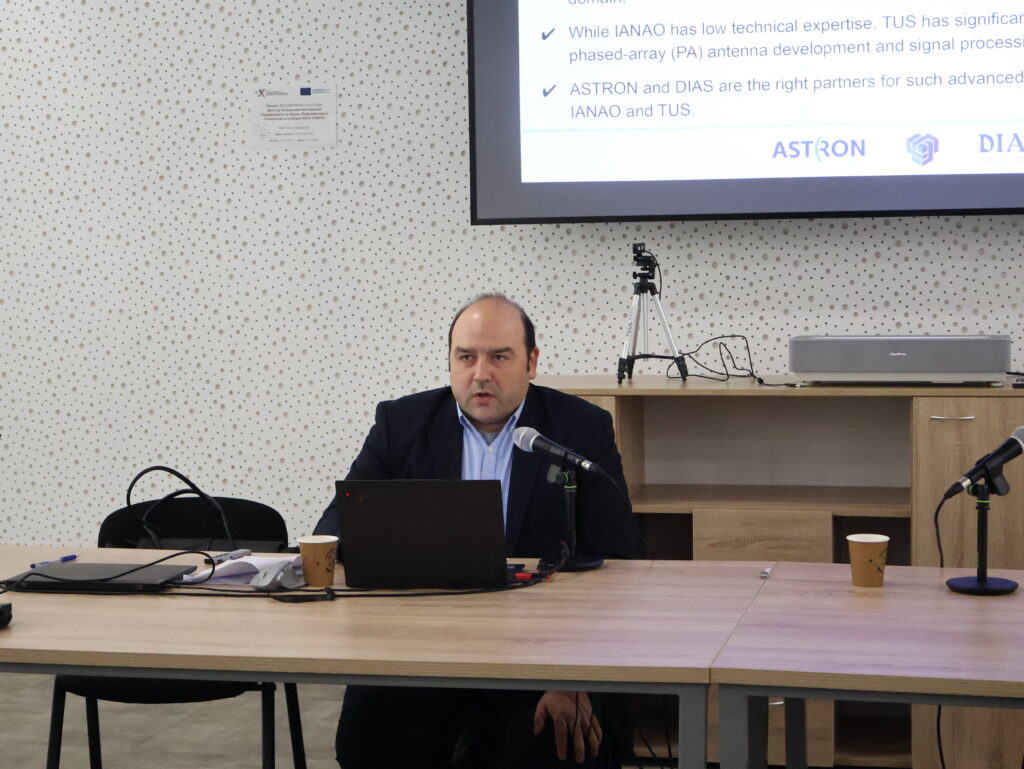
The event featured the successful STELLAR (Scientific and Technological Excellence by Leveraging LOFAR Advancements in Radio Astronomy) project, coordinated by the Institute of Astronomy with the National Astronomical Observatory at the Bulgarian Academy of Sciences, with the participation of the Technical University of Sofia and international partners ASTRON and DIAS. The presentation was given by the project manager, Assoc. Prof. Kamen Kozarev. The project is funded under Horizon 2020 – Twinning, with a budget of nearly €900,000 and a duration of three years (2020–2023), with the aim of increasing expertise in radio astronomy and in working with the LOFAR telescope. Among the main results are increased scientific capacity, enhanced publication activity, and the strengthening of long-term partnerships with the participation of young scientists. The preparation of new joint initiatives was also noted, including in the field of radio astronomy hardware and the future LOFAR station in Bulgaria.
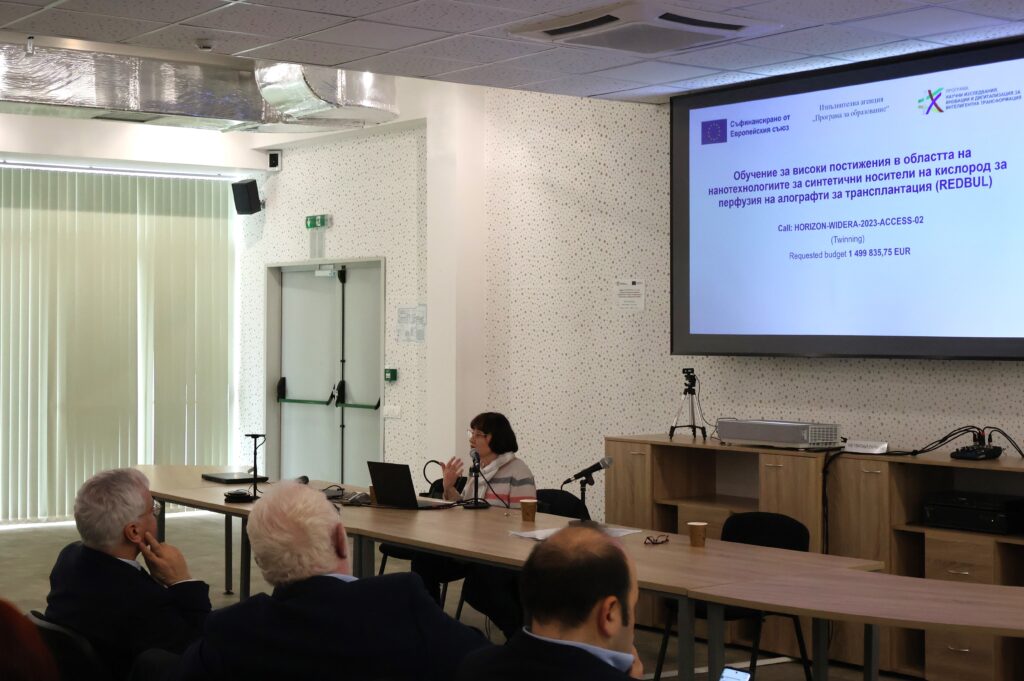
The REDBUL project was presented by Prof. Dr. Radostina Georgieva, Faculty of Medicine at Trakia University. This project aims to develop nanotechnological synthetic oxygen carriers for perfusion of allografts in transplantation, in partnership with CIC biomaGUNE (Spain), Charité – Universitätsmedizin Berlin, and POLYKEY (Germany). The concept covers three areas: scientific research on hemoglobin oxygen carriers, human capital development, and cooperation with industry. The project proposal has received a positive assessment from the EC (12.50 out of a total of 10), but has not been funded due to budget restrictions. The most important recommendations for future applications were: clear formulation of objectives, in-depth European context, analysis of the situation in the EU, clear management structure, justified budget, and performance indicators.
Guidelines for preparing a successful Twinning project proposal were presented by Prof. Dr. Albena Vutsova, expert-evaluator. She analyzed the main instruments of the WIDERA program – Widening Participation and Strengthening the European research area, and outlined key factors for increasing success in applying. The presentation highlighted that successful project proposals are distinguished by concrete and measurable results, realistic scale of impact, consistent practical measures, and an active role of partners with proven scientific expertise in the selected area. It was also explained that among the most widely used instruments are Twinning, aimed at building institutional capacity through knowledge transfer and partnerships, ERA Chair, which aims to attract leading scientists to develop new research areas, and Teaming, designed to create or transform scientific structures. According to Prof. Dr. Vutsova, Twinning is often perceived as a relatively easy tool and is viewed primarily as a networking activity, without sufficient focus on the actual building of scientific capacity.
The National Information Day on the Twinning competition clearly outlined both the strategic importance of the instrument for Bulgarian scientific institutions and the specific steps to increase the success rate of applications. The examples and analyses presented showed that sustainable institutional capacity building, realistic project concept, and active partnership with leading European organizations are crucial prerequisites for success. The event confirmed the European Commission’s increased focus on reducing scientific and innovation disparities within the EU and highlighted the need for a strategic approach and a long-term vision when developing project proposals. In this context, Twinning has established itself as an important tool for positioning Bulgarian institutions in the European research area.